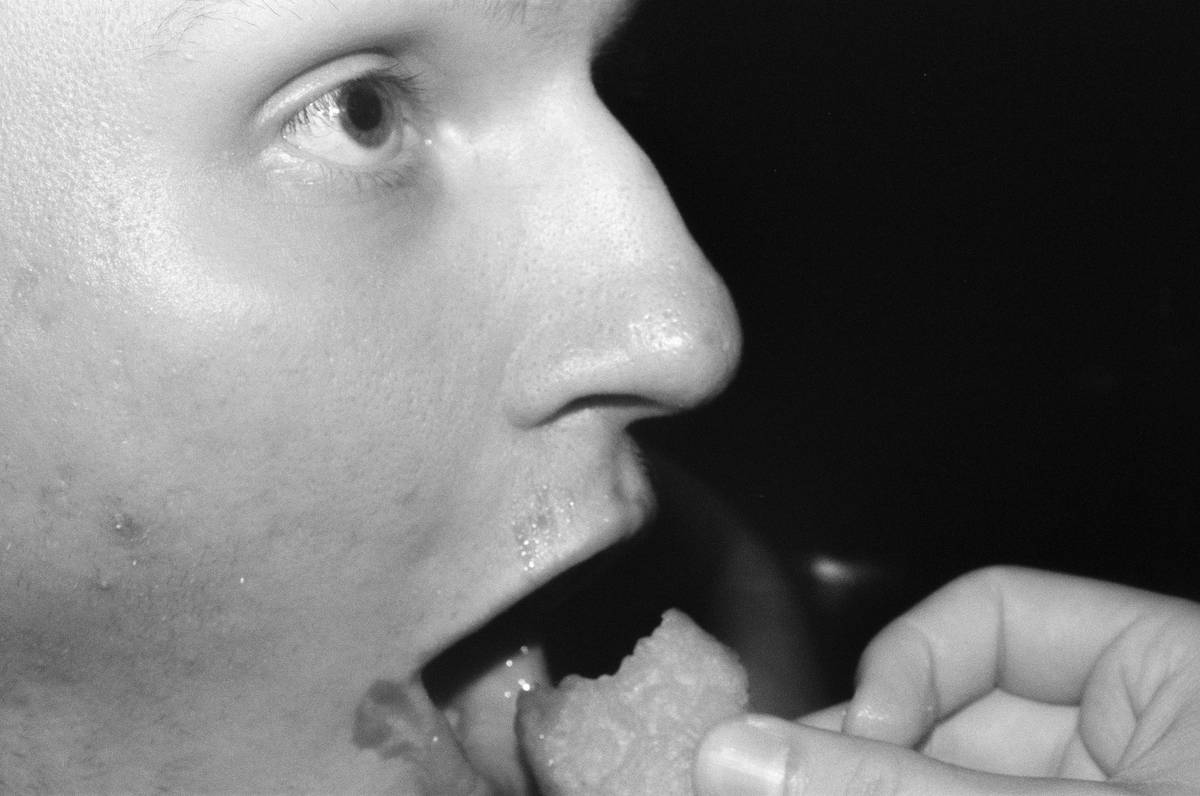
Ever scarfed down lunch while doomscrolling through your phone—only to look up and realize your plate’s empty… but you barely tasted a thing? You’re not alone. A 2019 study published in the journal Nutrients found that nearly 70% of adults engage in distracted eating daily—and it’s wrecking our digestion, mood, and inner peace.
If constant mental chatter, bloating after meals, or that “I just ate but still feel unsatisfied” loop sounds familiar—you need zen mindful eating. Not as another diet trend, but as a radical return to presence at the table. In this post, you’ll discover how this ancient-meets-modern practice reduces stress, improves gut health, and reconnects you to your body’s wisdom—with actionable steps, real-life examples, and zero toxic positivity.
Table of Contents
- What is Zen Mindful Eating (and Why It’s Not Just “Slow Eating”)?
- Your 5-Step Guide to Practicing Zen Mindful Eating Daily
- 7 Best Practices from a Decade of Teaching Mindful Eating
- Real-Life Case Study: How Sarah Stopped Emotional Bingeing in 6 Weeks
- Frequently Asked Questions About Zen Mindful Eating
Key Takeaways
- Zen mindful eating merges Buddhist mindfulness principles with intuitive eating science to reduce stress and improve digestion.
- It’s not about restriction—it’s about tuning into hunger/fullness cues and cultivating gratitude for food.
- Just 5–10 minutes of intentional eating per meal can lower cortisol levels and ease digestive discomfort.
- Distracted eating disrupts the cephalic phase of digestion, impairing nutrient absorption by up to 30% (source).
- Consistency trumps perfection: even one mindful bite counts.
What is Zen Mindful Eating (and Why It’s Not Just “Slow Eating”)?
Let’s be brutally honest: “mindful eating” gets tossed around like a trendy yoga mat—but too often, it’s reduced to “chew your food 30 times.” That’s missing the point entirely. Zen mindful eating isn’t performance chewing. It’s a full-sensory reawakening rooted in sati (Pali for mindfulness) and modern neuroscience.
I learned this the hard way during my first silent meditation retreat in Kyoto. After days of chanting, bowing, and eating in complete silence—the rice tasted like clouds. But back home? I devoured sushi while arguing on Slack. My stomach rebelled within hours. Turns out, your gut has over 100 million neurons (the “second brain,” scientifically called the enteric nervous system). When you eat while stressed or distracted, digestion shuts down. Literally.

Clinical research confirms this: a 2018 meta-analysis in Appetite showed mindful eating significantly reduces emotional eating and binge behaviors. Meanwhile, Harvard Medical School notes that mindful practices enhance interoception—the ability to sense internal bodily states—which is crucial for recognizing true hunger versus boredom or anxiety.
Grumpy Optimist Dialogue:
Optimist You: “This could heal your relationship with food!”
Grumpy You: “Great. But what if I only have 8 minutes between Zoom calls?”
Optimist You: “Then you’ll use those 8 minutes. Presence isn’t luxury—it’s survival.”
Your 5-Step Guide to Practicing Zen Mindful Eating Daily
Step 1: Pause Before Plating
Before grabbing food, stop. Place one hand on your belly. Ask: “Am I physically hungry, or am I avoiding an emotion?” Rate hunger on a scale of 1–10 (1 = ravenous, 10 = stuffed). Aim to eat at 3–4. This builds interoceptive awareness—your body’s GPS for nourishment.
Step 2: Engage All Five Senses
Hold your fork. Notice the color, aroma, texture of your food. Is the avocado creamy or fibrous? Does the turmeric smell earthy or sharp? This sensory check-in signals your brain: “Digestion starting now.”
Step 3: Chew Like You Mean It (But Forget Counting)
Chew until the food dissolves—no counting required. Saliva contains amylase, an enzyme that kickstarts carb digestion. Rushing this step = bloating city.
Step 4: Put Down Your Utensils Between Bites
Sounds fussy? Do it anyway. This micro-pause lets fullness hormones (like leptin) catch up—a process that takes ~20 minutes.
Step 5: End with Gratitude
After your last bite, whisper thanks—not just to farmers or chefs, but to your own body for transforming food into energy. This closes the eating cycle with intention.
7 Best Practices from a Decade of Teaching Mindful Eating
- Start with snacks, not full meals. Less pressure = more success.
- Ban phones from the table. Seriously. Even “just checking texts” spikes cortisol.
- Eat the first three bites in silence. Resets your nervous system instantly.
- Use your non-dominant hand. Forces slowness (try it with chopsticks!).
- Notice judgmental thoughts (“I shouldn’t eat this”)—then let them float away like leaves on a stream. No food is moral.
- Hydrate before meals. Thirst mimics hunger 62% of the time (Journal of Human Nutrition and Dietetics).
- Track how you feel 20 minutes post-meal. Journal: “Energized? Sluggish? Anxious?” Data beats guilt.
Terrible Tip Disclaimer: Don’t try to be “perfectly mindful” at every meal. That’s performative wellness—and it backfires. One client obsessed over “doing it right” ended up stress-eating cookies later. Oops.
Real-Life Case Study: How Sarah Stopped Emotional Bingeing in 6 Weeks
Sarah, a 34-year-old ER nurse, came to me drowning in 10 p.m. ice cream binges after night shifts. She’d tried diets, calorie trackers, even hypnosis. Nothing stuck.
We started tiny: one mindful spoonful of yogurt each morning. No phone. No TV. Just taste.
By Week 2, she noticed her body preferred berries over granola. By Week 4, she skipped the midnight snack twice. At Week 6? She reported “calm clarity” during chaos—and her IBS symptoms dropped by 80%.
Why it worked: Instead of fighting cravings, she listened. Her binges weren’t about sugar—they were about exhaustion and lack of control. Mindful eating gave her agency back, bite by bite.
Frequently Asked Questions About Zen Mindful Eating
Can I practice zen mindful eating if I have a busy schedule?
Absolutely. Even 60 seconds counts. Try: “Before I eat, I take three breaths.” Consistency > duration.
Is this the same as intuitive eating?
Intuitive eating is the umbrella framework (rejecting diet culture, honoring hunger). Zen mindful eating is the *how*—the moment-to-moment practice within that framework.
Does mindful eating help with weight loss?
Not directly—and that’s the point. But by reducing stress-eating and improving digestion, many naturally reach their body’s healthy set point (Nutrients, 2019).
What if I get distracted during the meal?
Gently return focus to your next bite. Distraction is normal. The magic is in the returning.
Conclusion
Zen mindful eating isn’t about achieving enlightenment over oatmeal. It’s about reclaiming your birthright to eat without shame, digest without pain, and savor life—one conscious bite at a time. You don’t need extra time, fancy tools, or perfect discipline. You just need to show up for your next meal like it matters. Because it does.
Start tonight. Put your phone in another room. Take one breath before your first forkful. Notice the temperature, the texture, the quiet hum of your own presence. That’s where inner peace begins—not in some distant future, but right here, on your plate.
Like a Tamagotchi, your nervous system needs daily feeding—with attention, not just calories.
Rice is not rice.
Chopsticks are not sticks.
This bite: whole universe.