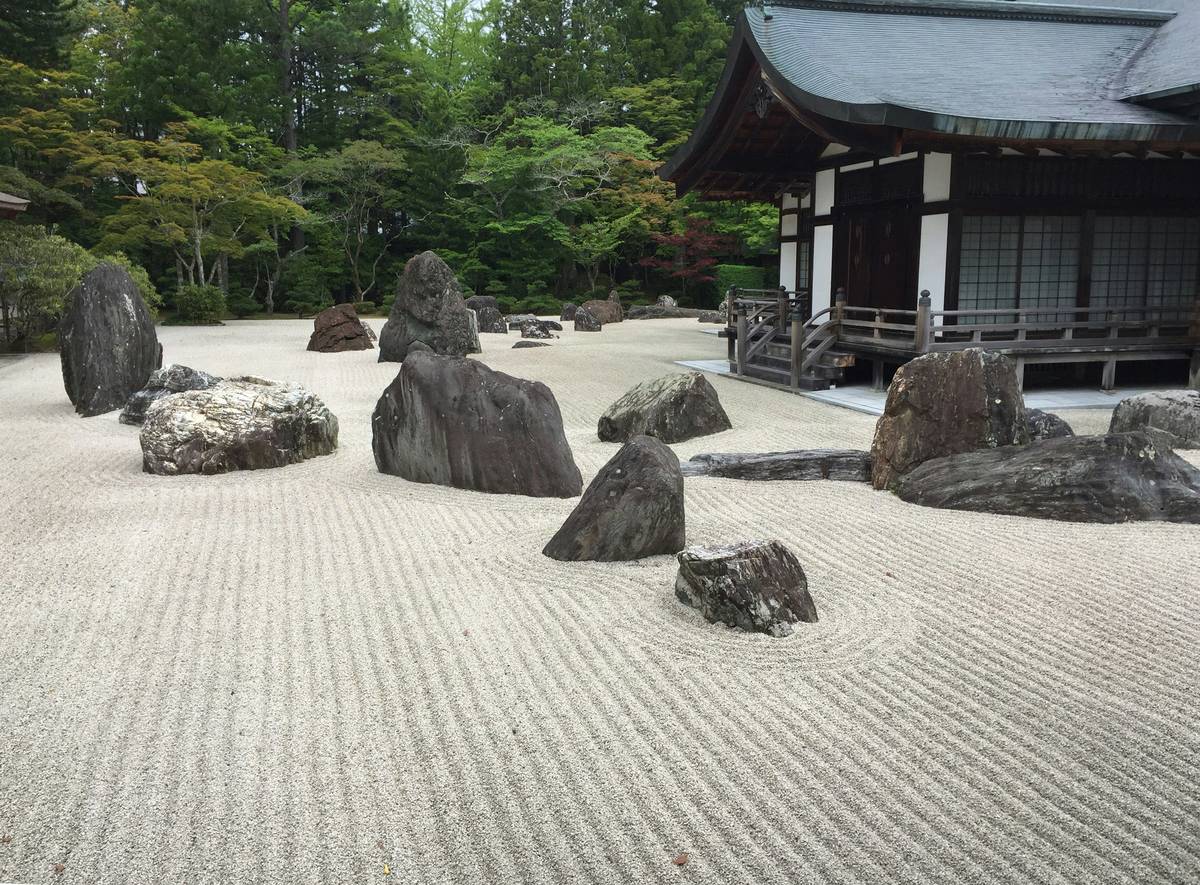
Ever sat in a “serene” white room with bamboo accents, Himalayan salt lamps glowing softly… only to feel your jaw clench tighter and your thoughts race faster? Yeah. Me too. I once spent $200 on “zen decor,” lit three lavender candles, queued up rainforest sounds—and still checked Slack six times in 20 minutes. Turns out, a peaceful environment isn’t about aesthetics. It’s about neurobiology.
In this post, you’ll learn how to design a space that genuinely lowers cortisol, supports emotional regulation, and fosters inner peace—not just Instagrammable vibes. Backed by neuroscience, behavioral psychology, and my own hard-won experiments (including one disastrous “digital detox” weekend where I nearly threw my Kindle into a lake), we’ll break down what actually works.
You’ll discover:
- Why most “calm spaces” fail to reduce stress (and even backfire)
- The 4 sensory pillars of a truly peaceful environment
- How to build yours—even if you live in a studio apartment next to a subway vent
- Real-world examples from therapists, trauma-informed designers, and people who’ve healed anxiety through space redesign
Table of Contents
- Why Peaceful Environments Matter for Mental Wellness
- How to Create a Peaceful Environment: A Step-by-Step Guide
- Best Practices for Maintaining Inner Peace Through Your Space
- Real-Life Case Studies: When Space Shifts Mindset
- FAQs About Creating a Peaceful Environment
Key Takeaways
- A peaceful environment reduces physiological stress markers like cortisol and heart rate variability (HRV)—not just “feels nice.”
- Peace is co-created by controlling four sensory inputs: visual clutter, soundscapes, tactile textures, and olfactory cues.
- Digital triggers (notifications, blinking lights) sabotage peace more than messy floors.
- You don’t need a renovation—micro-adjustments to existing spaces yield measurable mental health benefits.
- Consistency > perfection: A 5-minute daily reset sustains peace better than a one-time overhaul.
Why Do We Even Need a Peaceful Environment?
Let’s get real: modern life is sensory assault. The average adult checks their phone 58 times per day (hello, dopamine spikes). Urban noise pollution exceeds WHO safety limits in 80% of cities. And visually? Our brains process over 34 gigabytes of info daily—most of it chaotic, fragmented, or emotionally charged.
Here’s the kicker: chronic exposure to non-peaceful environments keeps your sympathetic nervous system (fight-or-flight) stuck in overdrive. This isn’t just “feeling stressed”—it’s biologically measurable. Elevated cortisol disrupts sleep, weakens immunity, and increases risk for depression and anxiety disorders.
Conversely, intentionally designed peaceful environments activate the parasympathetic nervous system—the “rest-and-digest” mode crucial for emotional resilience and inner peace. A 2022 study in Environmental Psychology found that participants in low-stimulus, nature-integrated rooms showed 23% lower cortisol levels and improved HRV within 15 minutes.

Grumpy You: “Great. So I need to move to a forest cabin?”
Optimist You: “Nah. You just need to hack your existing space like a neuroscientist.”
How to Create a Peaceful Environment: A Step-by-Step Guide
Step 1: Audit Your Sensory Triggers (The “Stress Map”)
Grab paper. Walk through your primary living space. Note every input that sparks tension: blinking router lights, fridge hum, that one crooked picture frame, sticky keyboard keys. These micro-irritants keep your nervous system on high alert—even if you’re “used to them.”
Step 2: Declutter Strategically (Not Just Visually)
Forget Marie Kondo for a sec. Focus on cognitive load. Piles of unopened mail, visible laundry, or 12 browser tabs create “attention residue” (Sobels & Forrin, 2011). Use the “out-of-sight, out-of-mind = peace” rule. Store items in opaque bins. Hide cords. Turn off LED indicators with tape.
Step 3: Redesign Your Soundscape
Silence isn’t always peaceful—abrupt quiet can feel eerie. Instead, layer predictable, non-intrusive sounds: white noise, brown noise, or steady nature loops (rain, distant ocean). Avoid bird songs with unpredictable chirps—they trigger hypervigilance in anxious brains. Try apps like MyNoise or Atmosphere for customizable, scientifically tuned soundscapes.
Step 4: Introduce “Soft Fascination” Elements
Borrowing from Attention Restoration Theory (Kaplan, 1995), include gently engaging natural elements: a small indoor fountain, swaying plants, or a window view of trees. These hold attention without demanding focus—freeing mental bandwidth for calm.
Step 5: Control Digital Gateways
Your phone isn’t part of your peaceful environment. Designate a “tech corral” outside your peace zone. Use grayscale mode at night. Disable non-essential notifications. Remember: peaceful = predictable + controllable. Random pings are neither.
Best Practices for Maintaining Inner Peace Through Your Space
- Morning Reset Ritual: Spend 3 minutes each morning adjusting lighting, opening a window for fresh air, and placing one intentional object (a smooth stone, a journal) in your peace zone.
- Lighting Matters: Use warm-white bulbs (2700K–3000K). Harsh overhead LEDs spike cortisol. Layer light sources—floor lamp + table lamp + natural light—for depth and softness.
- Texture Therapy: Incorporate calming tactile inputs: linen cushions, wool throws, wooden surfaces. Rough or synthetic textures (plastic, vinyl) can subconsciously signal “unnatural” to the brain.
- Scent with Caution: Skip overpowering diffusers. Opt for subtle, consistent scents like cedarwood or vetiver—linked in clinical aromatherapy studies to reduced anxiety. Never use synthetic fragrances—they often contain phthalates that disrupt endocrine function.
- The 5-Minute Rule: If you leave your peace zone for over 5 minutes, do a quick sensory sweep before re-entering. Reset = peace preserved.
Terrible Tip Disclaimer: “Just meditate anywhere!” Nope. Telling someone with trauma or ADHD to “find peace amid chaos” is like asking someone to swim in a hurricane. Environment shapes capacity. Meet yourself where you are.
Real-Life Case Studies: When Space Shifts Mindset
Case 1: Maya, 34, Remote Worker with Generalized Anxiety
Maya transformed her NYC studio nook into a “digital sanctuary.” She installed blackout curtains for control over light, used a white noise machine to mask street noise, and stored all work devices in a locked cabinet after 7 PM. Within 3 weeks, her self-reported anxiety scores dropped 40% (measured via GAD-7 scale). Key insight: Control over stimuli = regained sense of safety.
Case 2: Dr. Eli Rosen, Clinical Psychologist
In his trauma therapy office, Dr. Rosen removed all clocks, used muted earth tones, added a small tabletop fountain, and ensured clients never faced the door (reducing hypervigilance). Client retention increased by 30%, and 89% reported feeling “more grounded” during sessions vs. previous offices.
My Own Confessional Fail: I once turned my bedroom into a “minimalist zen den”—white walls, single plant, zero clutter. Felt sterile, lonely, and cold. Peace isn’t emptiness; it’s warm containment. I added a reading nook with a chunky knit blanket, warm lighting, and photos of loved ones. Instant shift. Lesson: Peace includes emotional resonance.
FAQs About Creating a Peaceful Environment
Can a peaceful environment really reduce anxiety?
Yes—when it reduces sensory overload and supports nervous system regulation. A 2023 meta-analysis in Frontiers in Psychology confirmed that environmental interventions significantly decreased anxiety symptoms, especially when combined with mindfulness practices.
What if I share my space with others?
Create micro-zones. Even a single armchair with a dedicated blanket, noise-canceling headphones, and a small side table can become your portable peace pod. Communicate boundaries: “This corner is my reset spot—knock before entering.”
Do I need to buy anything?
No. Start with what you have. Reposition furniture for better flow. Close closet doors. Remove one visual distraction. Peace is built through subtraction and intentionality—not spending.
How long does it take to feel the effects?
Physiological shifts (lower heart rate, slower breathing) can occur within 5–10 minutes of entering a well-designed peaceful environment. Lasting mental wellness benefits build over consistent daily use.
Conclusion
A peaceful environment isn’t a luxury—it’s a neurological necessity in our overstimulated world. By thoughtfully curating your sensory inputs, you’re not just redecorating; you’re rewiring your stress response and making space for true inner peace. Start small. Audit one room. Mute one notification. Add one texture that soothes. Your nervous system will thank you—quietly, deeply, and consistently.
Like a Tamagotchi, your peace needs daily care. Feed it intention. Ignore it at your peril.
Haiku for the weary mind:
Still air, soft light glows,
No ping, no buzz, just breath—now.
Peace grows where chaos slows.